Uncertain Endgame: Tracking the Trump Administration’s Timelines for the Iran War
Trump has repeatedly predicted a quick end to the Iran war, but shifting goals, ongoing fighting, and regional tensions make the timeline for peace uncertain.
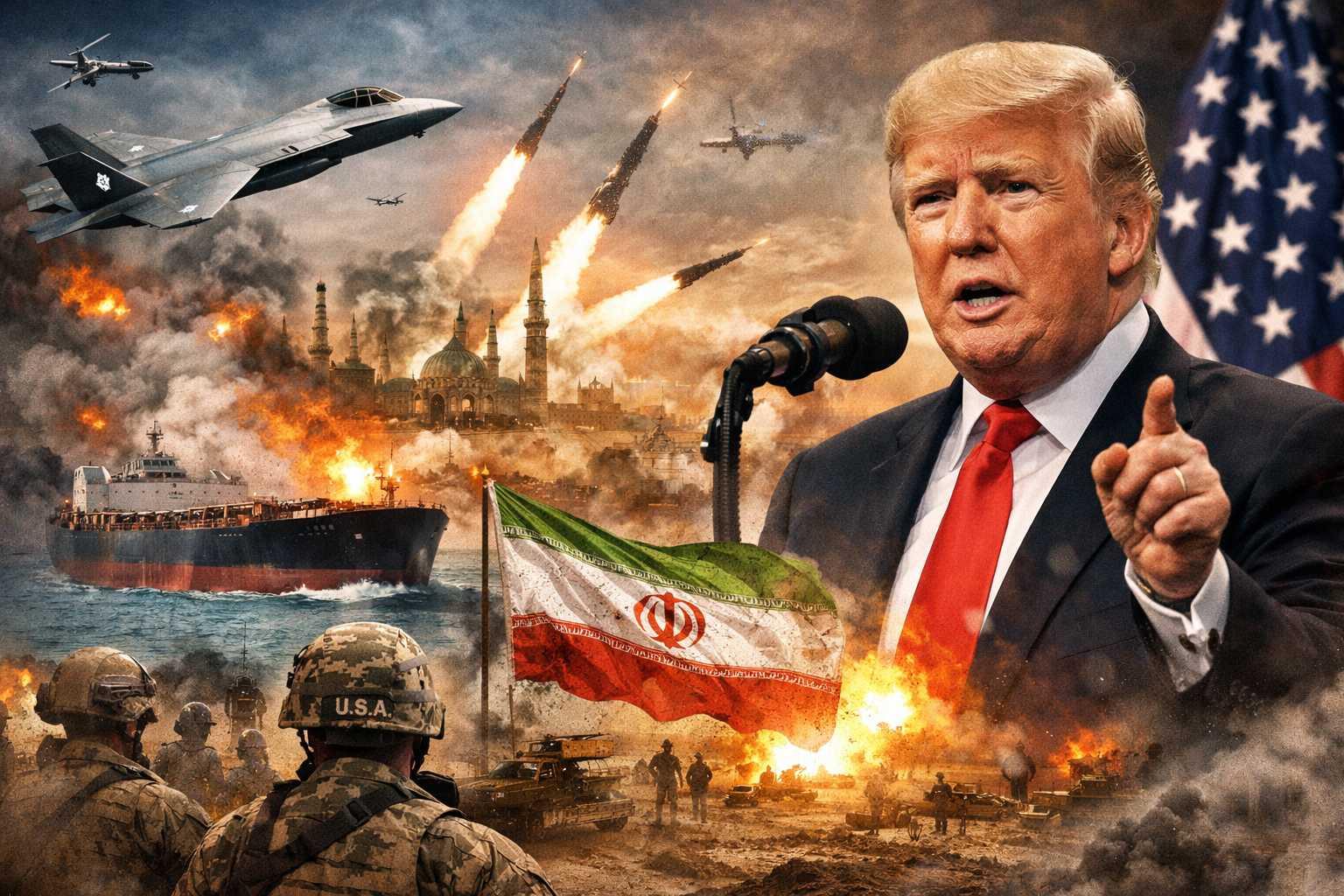
The ongoing conflict between the United States, Israel, and Iran—often referred to as the 2026 Iran war—has generated global concern over its duration and potential outcome. Since the war began on 28 February 2026 with a major U.S.–Israeli military operation against Iranian targets, President Donald Trump and his administration have repeatedly suggested that the conflict is close to ending. However, timelines have shifted frequently, and analysts remain divided over whether the war will conclude quickly or continue for months. By examining statements from the Trump administration and developments on the ground, a pattern emerges: optimistic predictions of a swift conclusion contrasted with an increasingly complex military and geopolitical reality.
The Beginning of the Conflict
The war started on 28 February 2026 when the United States and Israel launched large-scale strikes against Iranian military and nuclear-related targets. The operation, reportedly designed to cripple Iran’s military infrastructure and halt its nuclear ambitions, marked one of the most significant escalations in Middle East tensions in recent decades. Early in the conflict, U.S. officials described it as a focused operation intended to deliver rapid results rather than a prolonged campaign. Within days of the attacks, the conflict spread across the region. Missile exchanges, drone strikes, and proxy battles involving groups allied with Iran quickly expanded the war beyond Iran’s borders. Several countries in the Middle East became involved either directly or indirectly, highlighting how quickly the conflict could widen.
Early Predictions of a Short War
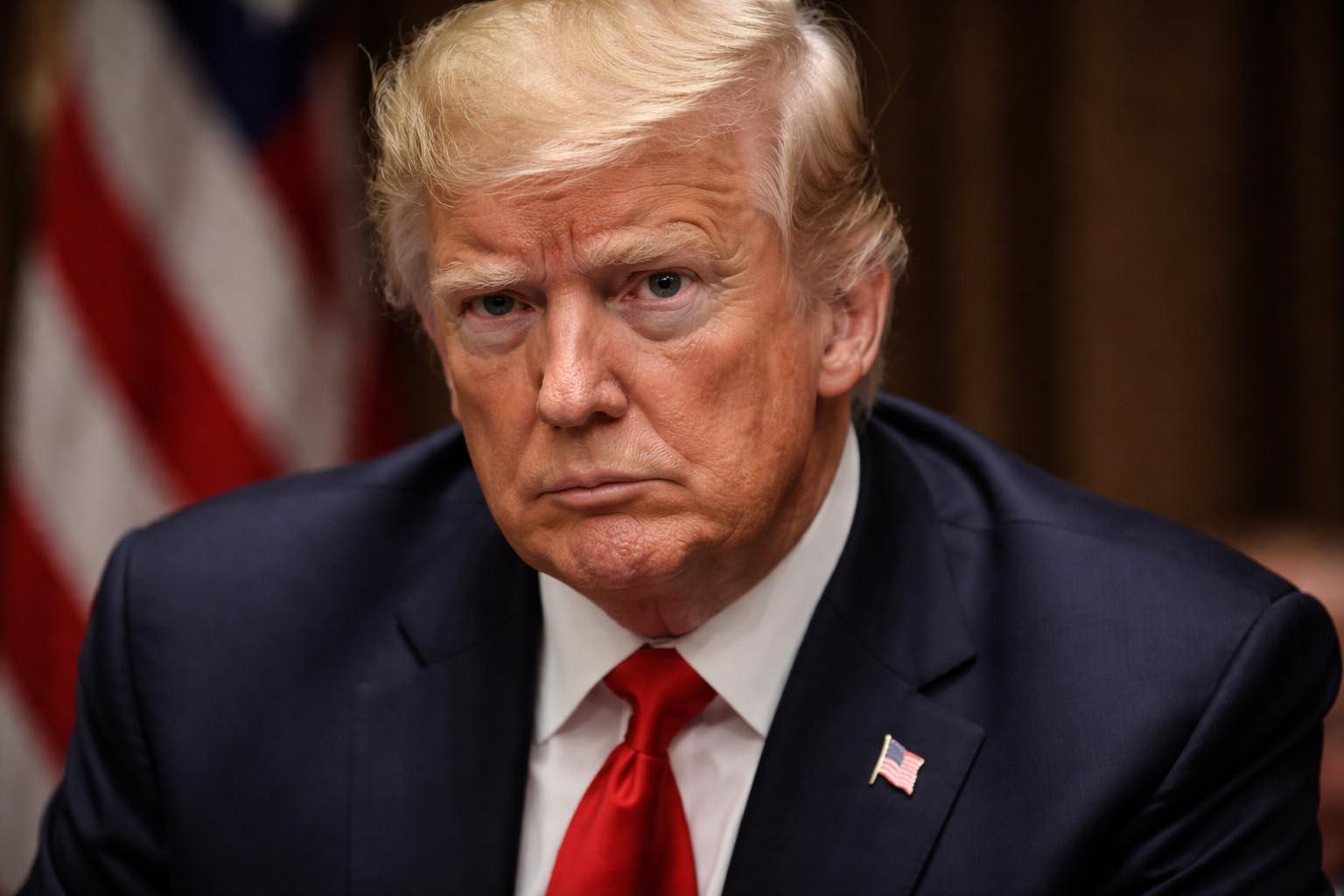
From the outset, the Trump administration signaled that the military campaign would be brief. Officials initially suggested the operation might last only a few weeks, presenting it as a decisive strike aimed at destroying Iran’s military capabilities. President Trump repeatedly emphasized that U.S. forces were achieving rapid progress and that the war could soon reach its conclusion. During public speeches and interviews, Trump suggested that Iranian military power was being systematically dismantled. He claimed that Iran’s air force and navy had been heavily damaged and that many key military targets had already been destroyed. These statements reinforced the administration’s narrative that victory was within reach.
Repeated Signals That the War Was Nearly Over
Throughout March and early April 2026, President Trump continued to indicate that the war was nearing completion. On multiple occasions—through speeches, interviews, and social media posts—he suggested that the United States was on the verge of ending the conflict. Observers noted at least a dozen instances where the administration hinted that a decisive outcome was imminent. These statements often portrayed the war as a strategic success. Trump argued that the campaign had significantly weakened Iran’s military infrastructure and reduced its ability to threaten U.S. allies in the region. According to the White House, the operation had already achieved most of its objectives.
The Lack of a Clear Timeline
Despite repeated suggestions that the war could end soon, the administration has not provided a definitive timetable. In a national address in April 2026, Trump claimed the operation was “nearing completion” but stopped short of announcing when the fighting would actually stop. Instead, he warned that strikes would continue for several more weeks if Iran did not comply with U.S. demands. This lack of clarity has fueled skepticism among analysts and international observers. Critics argue that shifting goals—from destroying Iran’s military capabilities to potentially encouraging regime change—have made it difficult to define what victory would actually look like.
Military Progress and Ongoing Resistance
The United States claims significant military gains during the campaign, including the destruction of large portions of Iran’s air and naval forces. However, Iran has continued launching missile and drone attacks, demonstrating that it still retains substantial military capability. Iran’s allies and regional proxy groups have also intensified attacks, complicating efforts to bring the conflict to a quick end. Meanwhile, the closure of the Strait of Hormuz—a crucial global oil shipping route—has added economic pressure and increased international concern about the war’s long-term consequences.
Political and Global Pressure to End the War
The war has also created significant political pressure within the United States. Rising oil prices, global economic instability, and public dissatisfaction have increased calls for a rapid resolution. Polls indicate that a majority of Americans oppose the conflict and want it to end quickly. Internationally, allies have expressed concern over the war’s escalation and lack of a clear strategy for peace. Diplomatic efforts continue behind the scenes, but negotiations have yet to produce a concrete ceasefire proposal.
An Uncertain Endgame
Despite repeated claims that the war is close to finishing, the reality remains uncertain. Military operations are ongoing, Iran continues to retaliate, and political pressures on all sides are increasing. Even if major combat operations slow down soon, analysts warn that the broader geopolitical consequences—including regional instability and economic disruption—may last for years. Ultimately, the timeline for ending the Iran war appears less predictable than the Trump administration initially suggested. While officials continue to speak optimistically about progress, the complex nature of the conflict means its conclusion may depend on factors far beyond military success alone.
No comments yet.