False Claims and Confusion Around Pakistan
False Claims and Confusion Around Pakistan's Strikes in Afghanistan As fighting between Pakistan and Afghanistan has intensified in recent days, a surge of misinformation and disp…
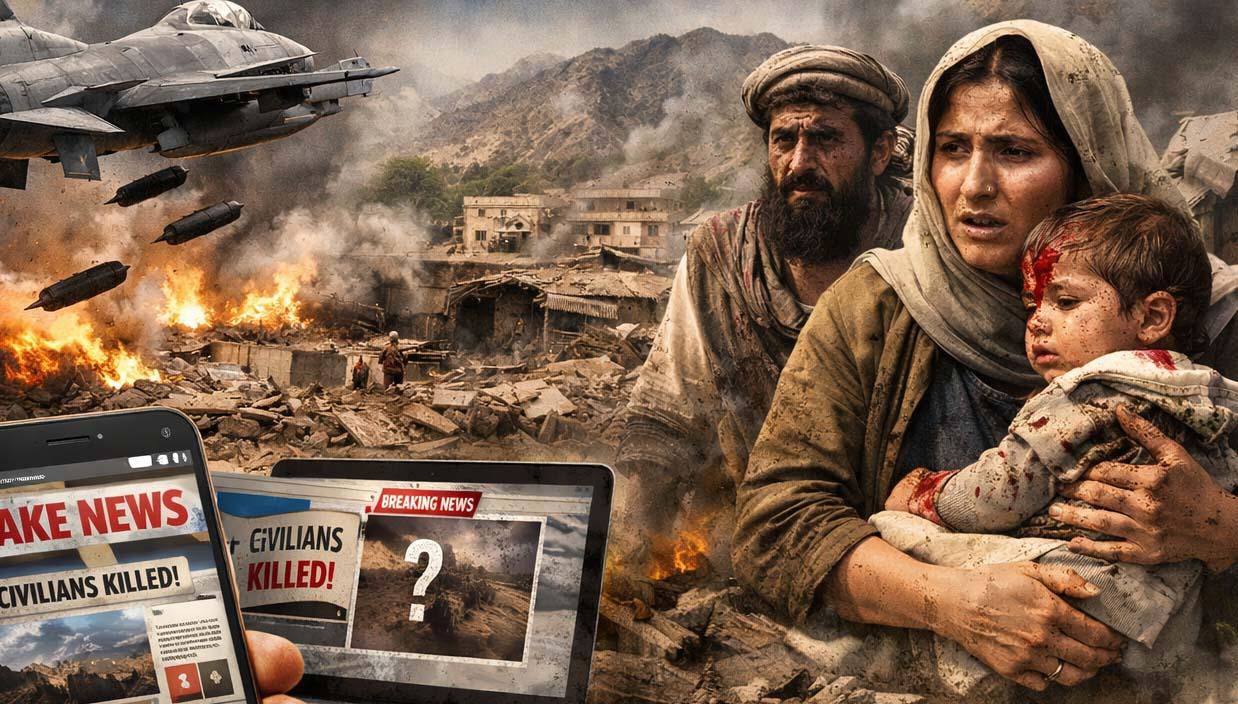
False Claims and Confusion Around Pakistan
False Claims and Confusion Around Pakistan’s Strikes in Afghanistan
As fighting between Pakistan and Afghanistan has intensified in recent days, a surge of misinformation and disputed reports has spread online, clouding public understanding of what’s actually happening on the ground. The ongoing conflict — now one of the most serious between the two neighbours in years — has been accompanied by a flood of unverified claims, social-media rumours and contradictory accounts from different sources, making it difficult for audiences to separate fact from fiction.
What Happened in the Strikes
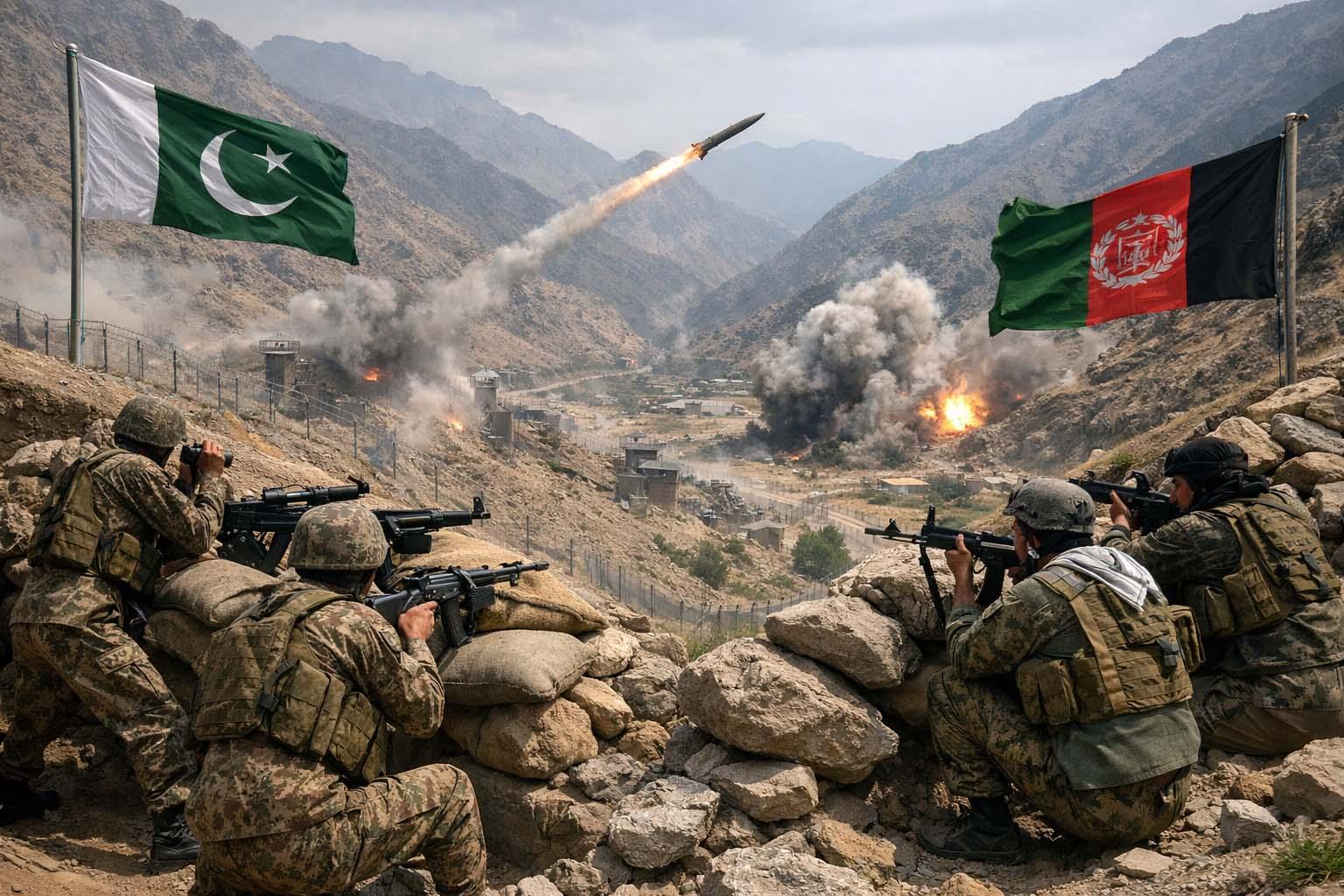
At the centre of the controversy are airstrikes and cross-border operations by Pakistan into Afghan territory over the past week. Pakistani authorities say their air force has carried out intelligence-based strikes on militant hideouts in eastern Afghanistan, targeting camps linked to the Tehreek-e-Taliban Pakistan (TTP) and Islamic State – Khorasan Province (ISKP) as response to a wave of deadly attacks inside Pakistan. Islamabad claims dozens of militants were killed and numerous strongholds destroyed in Nangarhar and Paktika provinces.
Afghan officials strongly deny Pakistan’s narrative, condemning the air raids as a violation of sovereignty and international law, and asserting that the strikes hit civilian homes, religious schools and other non-military sites. Kabul says women and children were among the casualties, and vows to respond “at an appropriate time”.
Both sides have different casualty numbers and descriptions of events, and independent verification is often lacking, making it hard for observers outside the region to confirm which claims are accurate.
Role of Social Media and False Reports
Amid this fog of war, misinformation has spread rapidly online — especially on social platforms like X and Facebook — with users sharing emotive images, unverified video clips, and misleading posts as “proof” of events that either didn’t happen or lack credible sourcing.
One prominent example was a post by the international broadcaster Sky News claiming that Afghanistan’s air force had struck Pakistan. Thousands of social-media users criticised the post, pointing out that Afghanistan currently does not have an operational air force, and called it false. Under intense pressure, Sky News later deleted the claim.
Such posts — and others like them — spread rapidly because they evoke dramatic ideas (for example, that a neighbouring state has launched an aerial attack) and are shared before independent verification is possible. This kind of rapid circulation of false or misleading information can mislead millions and escalate public fear or anger, even if no official confirmation ever emerges.
Why Misinformation Grows in Conflicts
Experts and analysts say several factors fuel misinformation in situations like this:
Rapid news cycles: When violence breaks out, social platforms become the first place people turn for updates. Early posts are often based on speculation rather than confirmed facts — but they spread widely before corrections can catch up.
Emotional content spreads faster: Images or videos claiming dramatic events (such as aircraft shots, explosions, or downed jets) are highly shareable, even if they lack context or are unrelated.
Conflicting official statements: With Pakistan and Afghanistan offering very different narratives about the same events, audiences are left with contradictory information, making it easier for false claims to take root.
Foreign influence and propaganda allegations: Both sides have accused each other of spreading misleading information to shape public opinion and to justify military actions — a common feature of modern conflicts where media narratives become part of the battle itself.
Challenges for Reliable Reporting
International news organisations and fact-checkers often struggle to verify real-time claims during intense conflict. Media outlets sometimes feel pressured to broadcast updates quickly, which can inadvertently amplify unverified statements from officials or viral social-media posts.
The confusion over what is true and what isn’t underlines the importance of critical evaluation of news sources at times of conflict — checking whether reports come from verified correspondents, official briefings, or reputable international agencies before sharing them further.
Calls for Caution and Verification
As the confrontation continues and both sides trade accusations — including claims of each other harbouring militants and violating ceasefires — international observers, the United Nations, and regional actors have stressed the need for restraint and for all parties to ensure accurate information reaches the public.
In this tense environment, misinformation doesn’t just distort understanding of events — it can inflame public opinion, deepen mistrust, and make diplomatic resolutions harder to achieve.
No comments yet.