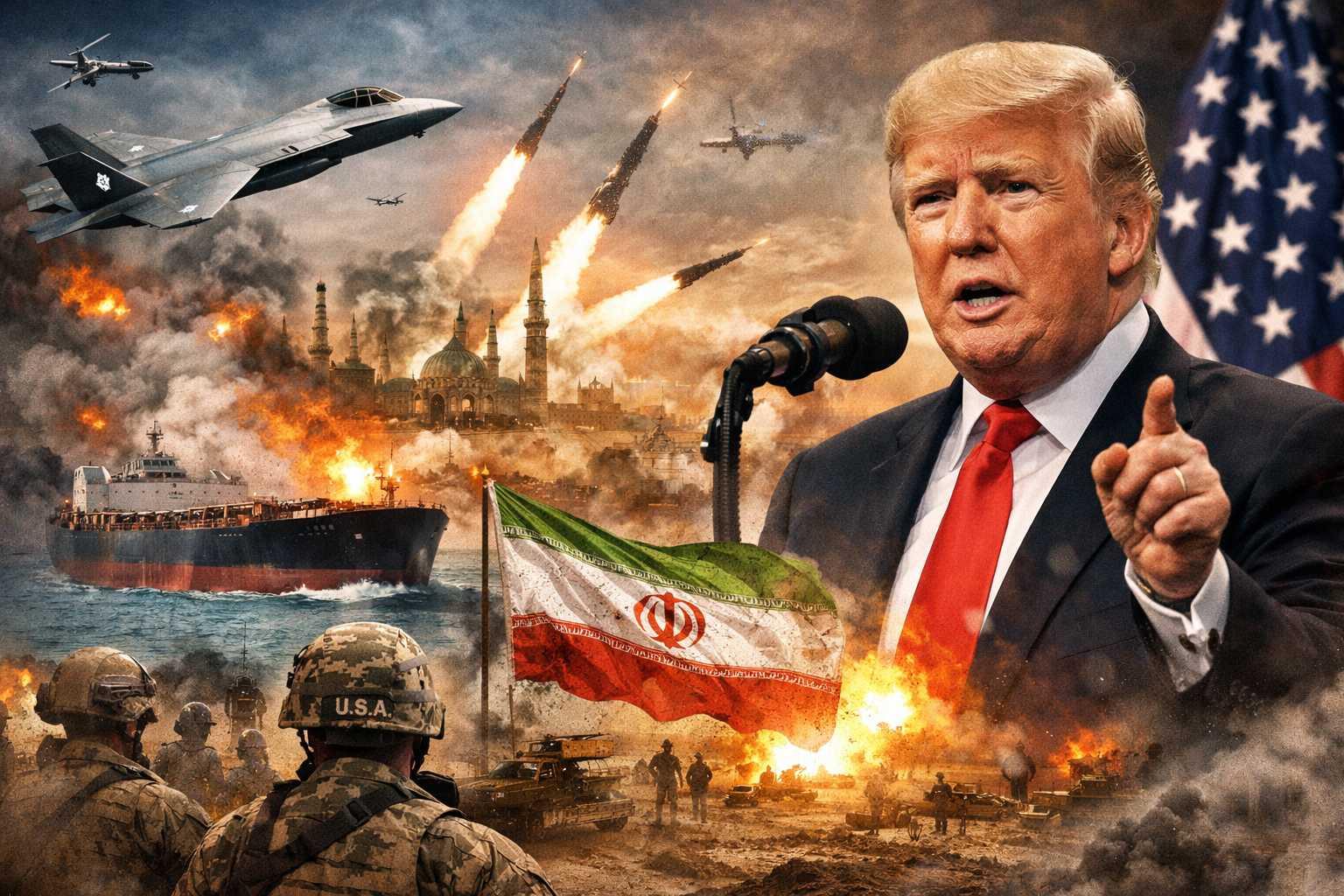
Temporary Halt or Tactical Pressure? The Debate Over Trump’s Iran Energy Strike Pause
A Sudden Pause in a Dangerous Conflict
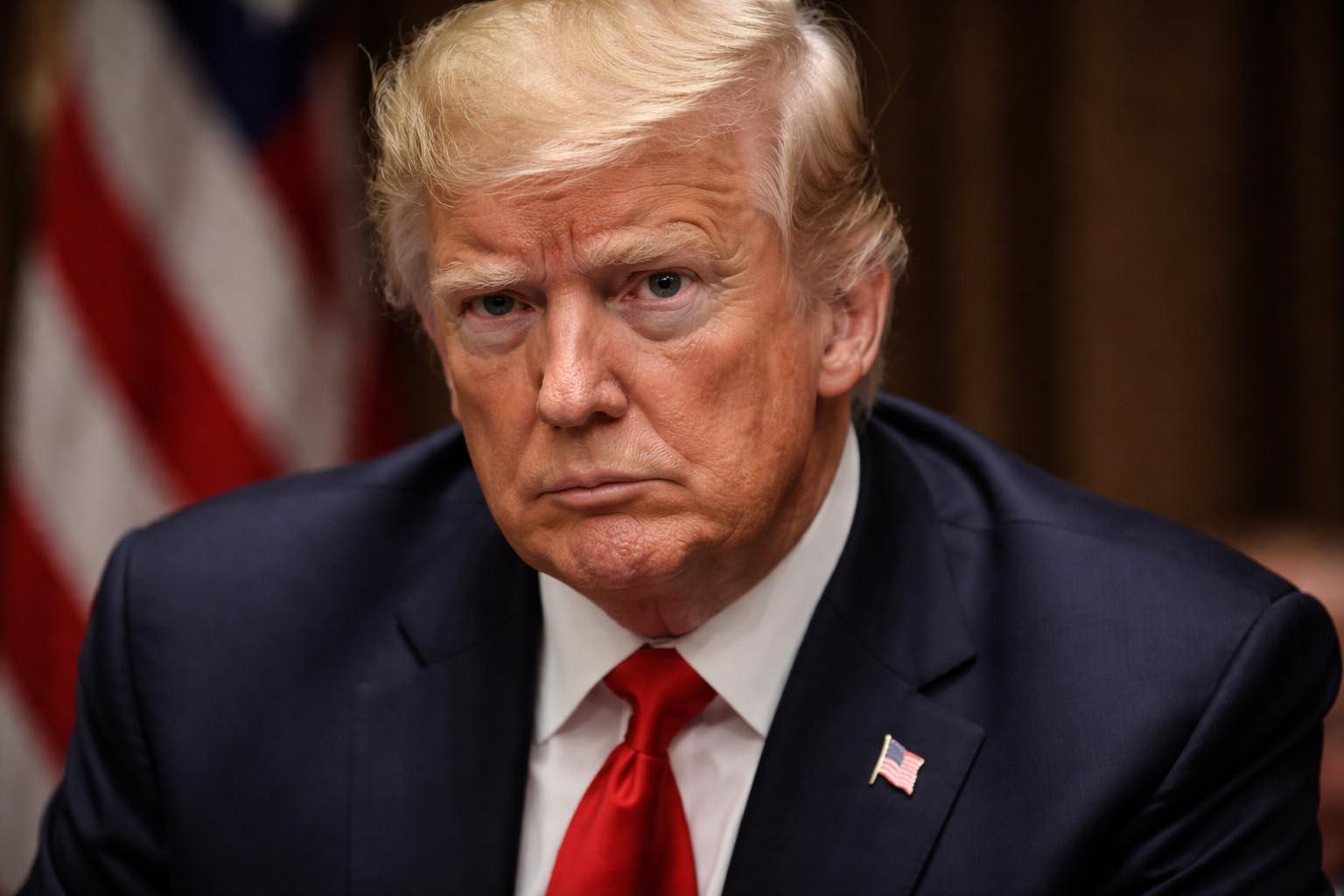
In the midst of an escalating conflict involving the United States, Israel, and Iran, former U.S. President Donald Trump announced a temporary halt to planned attacks on Iran’s energy infrastructure. The decision has sparked debate among diplomats and analysts, with many questioning whether the pause is a genuine attempt at diplomacy or simply a strategic move in an ongoing military campaign.
The suspension of strikes targets one of Iran’s most critical sectors—its oil and energy facilities. These installations are vital to Iran’s economy and also play a major role in global energy markets. By delaying attacks on these sites, the United States has temporarily stepped back from what many consider one of the most severe escalatory actions in modern warfare.
Negotiations Behind the Decision
Trump stated that the pause was intended to give negotiations a chance to progress. According to him, talks with Iranian representatives were moving in a positive direction, and the halt in attacks would allow space for diplomacy to take shape. The suspension, initially brief, was later extended to around ten days.
The pause reportedly followed requests connected to ongoing negotiations. Trump indicated that discussions were underway and suggested that progress could be made if both sides remained engaged in dialogue. However, details about the talks remain limited, and there is little confirmation from Iranian officials regarding direct negotiations.
War Continues Despite the Delay
Although strikes on energy facilities have been postponed, the broader conflict has not stopped. Military operations continue across the region, with both sides exchanging attacks. Iran and its regional allies have launched missiles toward targets associated with the United States and Israel, while Israeli forces have intensified operations against Iranian military positions.
The war began in late February when the United States and Israel carried out coordinated strikes on Iran. Since then, the conflict has widened, drawing in other regional actors and increasing fears of a broader Middle Eastern war. Thousands of casualties have been reported, and many civilians have been displaced by the fighting.
The Strategic Importance of Energy Targets
Energy infrastructure has become one of the most sensitive elements of the conflict. Iran’s oil exports provide a major share of government revenue, making facilities such as refineries, pipelines, and export terminals extremely valuable targets.
One location frequently mentioned by analysts is Kharg Island, which handles most of Iran’s crude oil exports. Any attack on such infrastructure could significantly damage Iran’s economy while also disrupting global energy markets. Because of this, striking energy facilities is often viewed as a step that could dramatically escalate the conflict.
Global Economic Stakes
The war has already had significant consequences for the global economy. Oil prices have surged amid fears that the conflict could disrupt supply routes in the Persian Gulf. The Strait of Hormuz, through which a large portion of the world’s oil shipments pass, has become a focal point of tension.
Iran has reportedly restricted shipping traffic in the area, which has heightened concerns about energy security. If the conflict were to expand further or if key oil infrastructure were destroyed, analysts warn that global oil prices could rise sharply, potentially harming economies around the world.
Diplomacy or Strategic Pressure?
Experts remain divided about the real purpose of the pause. Some see it as an opening for diplomacy, suggesting that the United States may be testing whether Iran is willing to negotiate a broader settlement. In this view, the temporary halt is intended to reduce tensions and create an opportunity for talks.
Others argue that the pause is a form of strategic pressure rather than a genuine step toward peace. By publicly delaying attacks on vital energy infrastructure, Washington keeps the threat of devastating strikes on the table while continuing military operations elsewhere.
An Uncertain Path Forward
The coming days will determine whether the pause leads to meaningful negotiations or merely postpones a larger escalation. If talks fail, attacks on Iran’s energy facilities could resume, potentially intensifying the conflict and destabilizing the region further.
For now, the halt in strikes represents a fragile moment in a dangerous confrontation—one where diplomacy and military pressure appear to be unfolding at the same time.
No comments yet.