Strait Under Siege: How a Naval Blockade Could Reshape the World’s Most Vital Waterway
A naval blockade in the Strait of Hormuz targets key shipping routes, restricting trade and raising global oil prices while risking wider conflict and economic disruption.
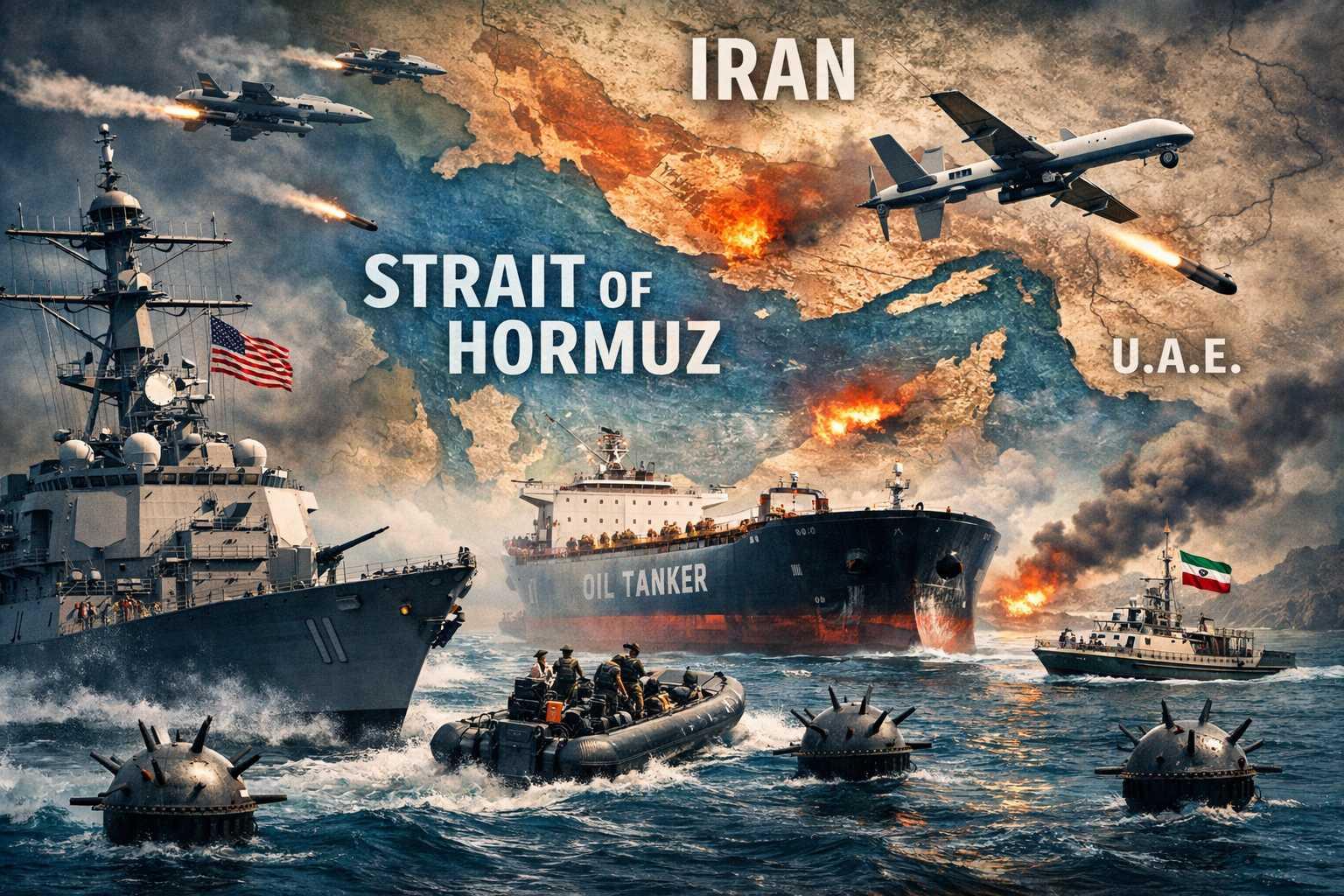
The escalating tensions around the Strait of Hormuz have drawn global attention to a powerful military tactic: the naval blockade. As conflict intensifies in 2026, this narrow but crucial sea route—through which a significant share of the world’s oil flows—has become the focal point of economic and military strategy. Understanding how a blockade works here reveals why the stakes are so high for the entire world.
What Is a Naval Blockade?
A naval blockade is a military operation in which a country uses its naval forces to restrict or completely prevent ships from entering or leaving specific ports or coastal areas. The aim is to cut off supplies, especially critical resources like oil, weapons, and food, thereby weakening the targeted nation economically and strategically. In modern warfare, blockades do not always mean a total shutdown of all maritime traffic. Instead, they are often selective, targeting specific ships or destinations while allowing limited or controlled passage for others.
Why the Strait of Hormuz Is So Important
The Strait of Hormuz is one of the most strategically significant waterways on Earth. Roughly one-fifth of the world’s oil supply passes through this narrow corridor, making it a lifeline for global energy markets. Any disruption here has immediate global consequences. During the 2026 crisis, shipping traffic dropped dramatically due to threats, attacks, and uncertainty, highlighting how fragile this route can be. Because of its narrow width and geographic position, even limited military action can severely restrict movement through the strait.
What Is Happening in 2026
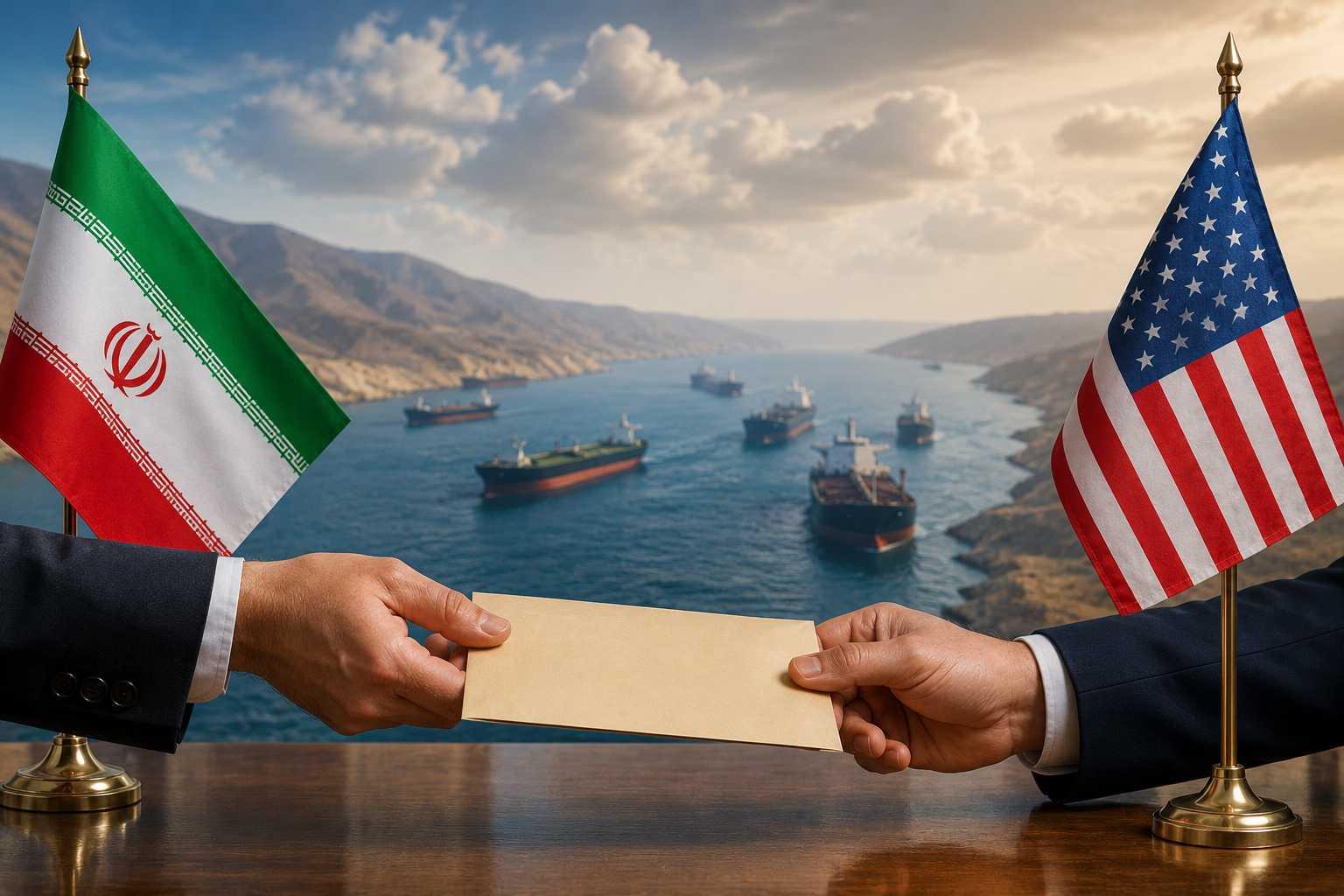
In April 2026, the United States announced a naval blockade targeting Iranian ports following failed negotiations. However, the blockade is not aimed at closing the entire strait. Instead, it focuses on stopping ships traveling to and from Iran while allowing other vessels to continue passing through. This distinction is important: the goal is to pressure Iran economically without completely halting global trade or triggering a full-scale international crisis.
How the Blockade Would Work
The blockade would operate through a combination of surveillance, interception, and control. Naval forces would monitor maritime traffic using warships, aircraft, and drones. Ships suspected of heading to Iranian ports could be stopped, boarded, diverted, or even seized. Rather than attacking all vessels, enforcement would rely heavily on inspection and redirection. This allows the enforcing country to maintain pressure while avoiding unnecessary escalation.
Indirect Methods of Disruption
A blockade in the Strait of Hormuz does not rely solely on physical interception. Military forces may also use indirect tactics such as laying naval mines, deploying drones, or threatening missile strikes. These actions create a high-risk environment that discourages commercial shipping. In fact, even the threat of such measures has already reduced tanker traffic and forced many ships to avoid the route altogether. In this way, a blockade can be effective without completely sealing off the waterway.
Global Economic Impact
Because so much of the world’s oil passes through the strait, any blockade has immediate economic consequences. Oil prices have already surged above $100 per barrel amid the current crisis, reflecting fears of supply disruption. Higher energy costs can lead to inflation, increased transportation expenses, and economic instability worldwide. Countries heavily dependent on imported oil are particularly vulnerable.
Risks and Uncertainty
While a naval blockade can be a powerful tool, it carries significant risks. It may provoke retaliation, escalate into broader conflict, or disrupt global trade beyond the intended target. Experts also note that enforcing a blockade in such a busy and narrow waterway is complex and dangerous. Miscalculations or accidental clashes could quickly worsen the situation.
Conclusion
A naval blockade in the Strait of Hormuz is not simply about stopping ships—it is about controlling one of the world’s most critical economic arteries. By selectively restricting access and increasing risk, such a strategy aims to pressure an adversary while keeping global trade partially intact.
However, as the 2026 crisis shows, even limited disruption in this region can send shockwaves across the global economy, making the Strait of Hormuz one of the most sensitive flashpoints in modern geopolitics.