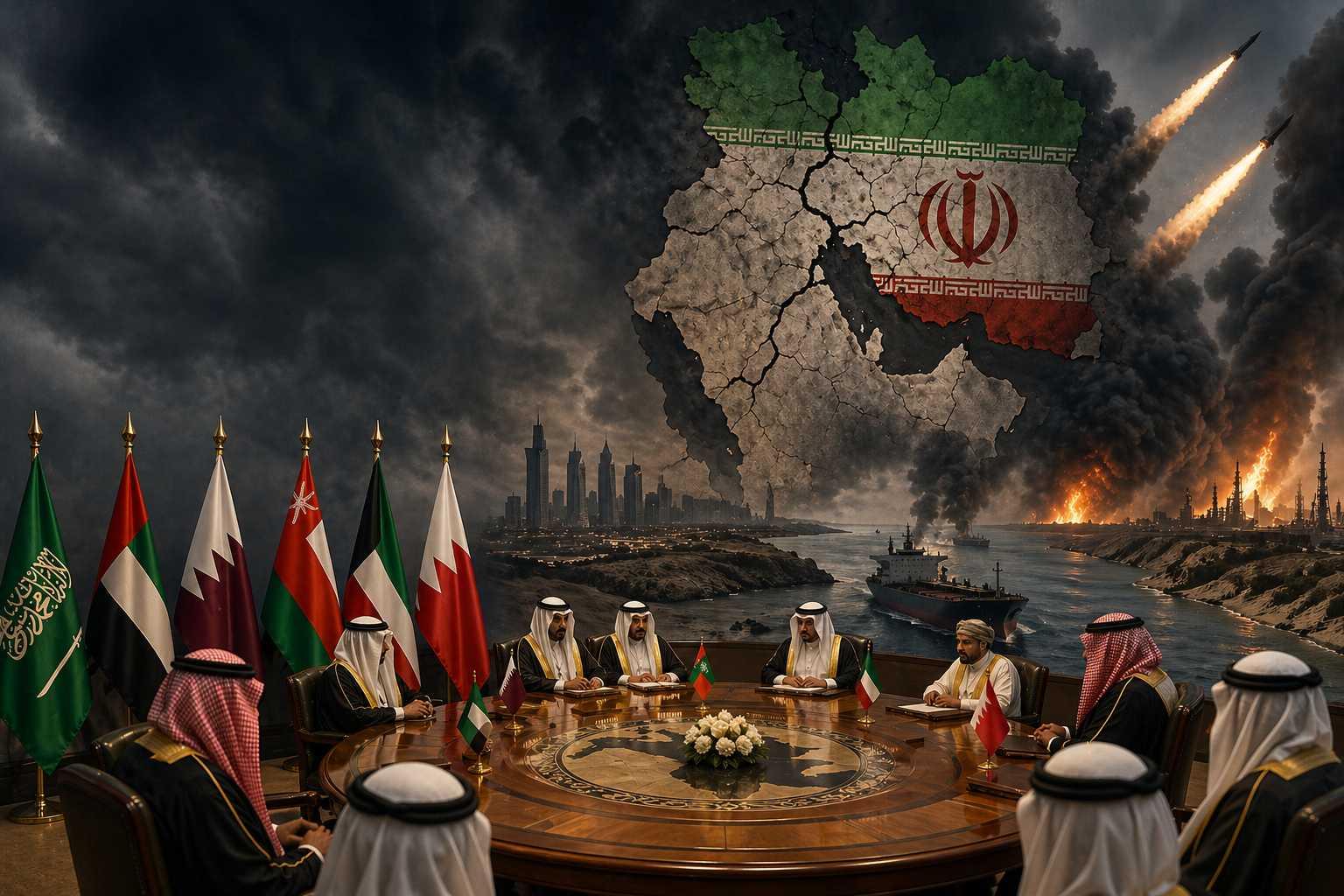
Iran Sends Counter-Proposal as Fragile Peace Efforts Continue
Iran has delivered its response to a US-backed peace proposal through Pakistan, as negotiations focus on ending hostilities and reopening the Strait of Hormuz.
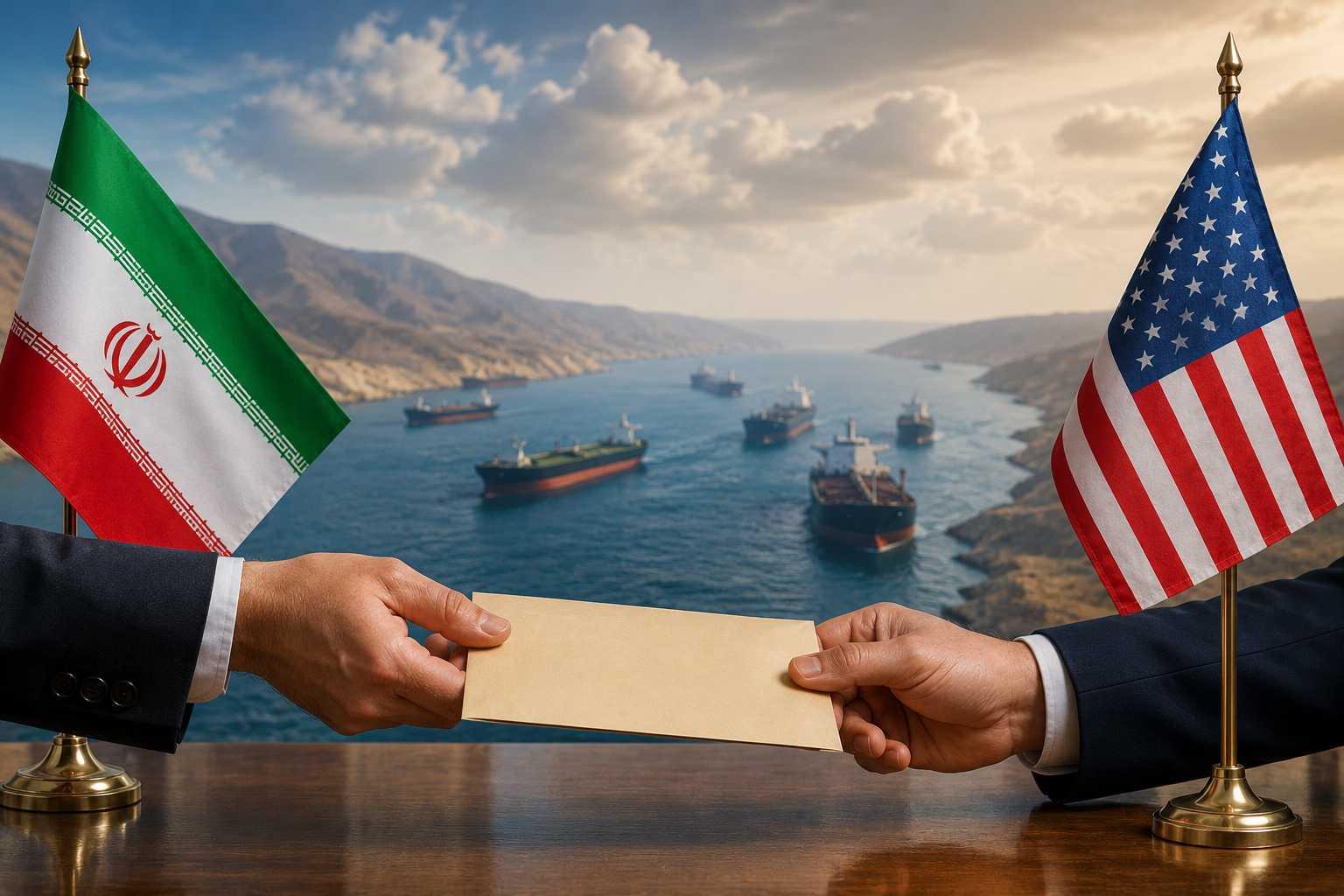
The diplomatic standoff between Iran and the United States entered a new phase after Tehran formally sent its response to Washington’s latest peace proposal through Pakistani mediators. The move comes amid continuing tensions in the Gulf region and growing international concern over the stability of the Strait of Hormuz, one of the world’s most important oil shipping routes. While both sides appear willing to continue negotiations, major disagreements remain over Iran’s nuclear programme, sanctions, and regional security arrangements.
Iran Responds Through Pakistan
Iranian state media confirmed that Tehran submitted its official response to the US proposal via Pakistan, which has been acting as a mediator between the two countries. According to reports, Iran wants the current round of negotiations to focus mainly on ending military hostilities in the region rather than addressing broader political issues immediately. Pakistani officials acknowledged that they had transferred Tehran’s message to Washington, although the full contents of Iran’s response were not publicly disclosed.
Focus on Ending Regional Conflict
Sources familiar with the negotiations say the latest diplomatic efforts are aimed at reaching a temporary memorandum of understanding that would halt ongoing conflict and reduce military escalation in the Gulf. The proposed arrangement could allow safe passage through the Strait of Hormuz while both sides continue discussions on a more comprehensive agreement. Officials involved in the talks reportedly see this as a short-term mechanism to stabilise the situation and prevent further clashes in the region.
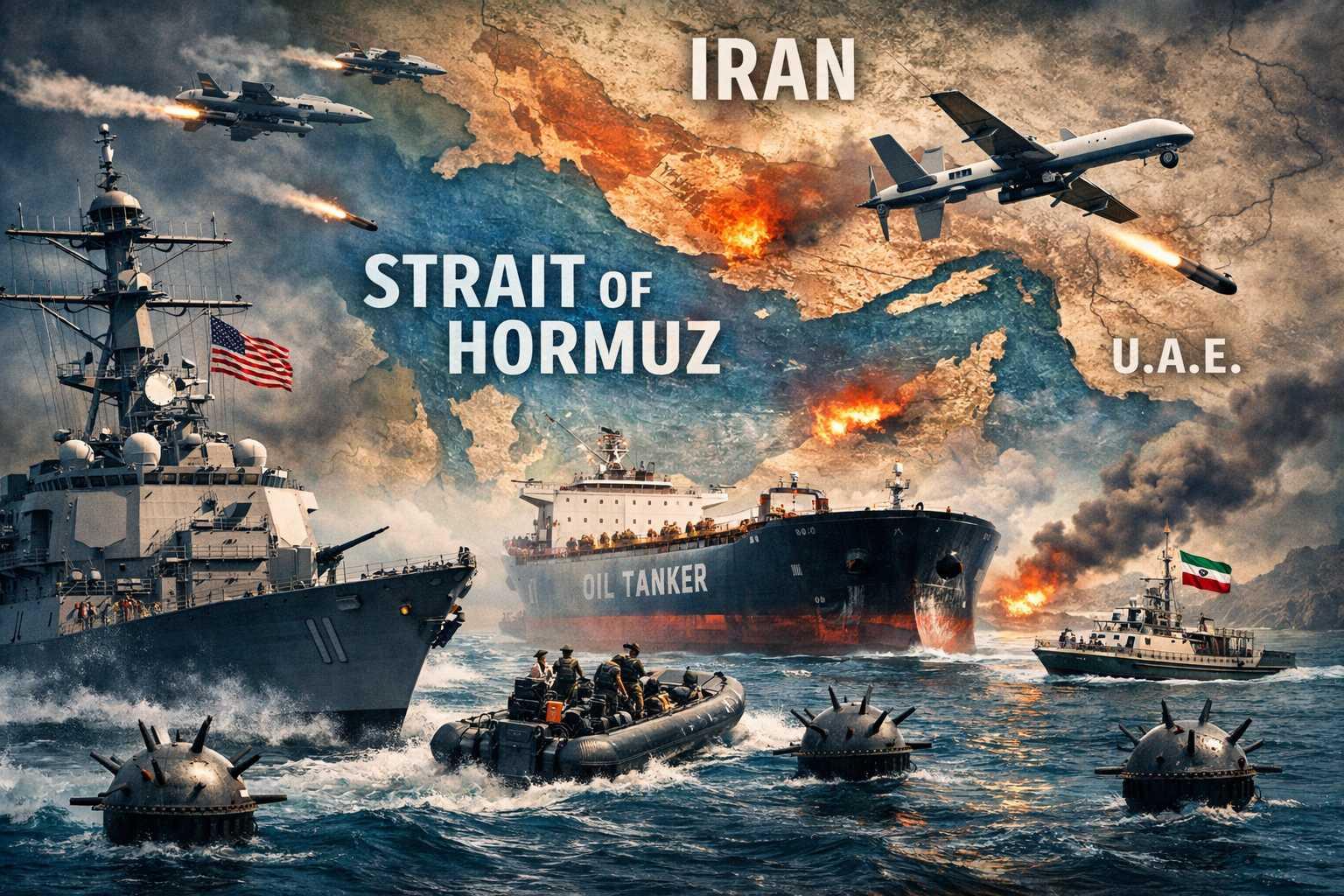
Strait of Hormuz Remains Central
The Strait of Hormuz has become one of the most critical issues in the negotiations. The waterway is essential for global energy supplies, and disruptions there have raised fears of rising oil prices and broader economic instability. Reports suggest that the US proposal includes provisions for reopening the strait and restoring secure maritime traffic. In exchange, Washington may consider easing some restrictions on Iranian ports during the negotiation period.
Nuclear Programme Still a Major Obstacle
Despite progress in communication, Iran’s nuclear programme remains one of the biggest obstacles to a final agreement. US officials continue to insist that any lasting peace arrangement must include restrictions on uranium enrichment and guarantees that Iran will not pursue nuclear weapons capability. Iranian officials, however, have criticised several American demands as unrealistic and overly aggressive. Tehran has reportedly resisted proposals requiring major concessions on its nuclear activities.
Tensions Continue Despite Diplomacy
Although negotiations are ongoing, military tensions in the region have not fully subsided. Reports of drone incidents and naval confrontations near the Gulf have highlighted the fragile nature of the current ceasefire environment. Israeli Prime Minister Benjamin Netanyahu also warned that the conflict is “not over,” arguing that unresolved nuclear concerns continue to pose a threat. Meanwhile, US President Donald Trump accused Iran of “playing games” during the diplomatic process while still expressing hope for a workable agreement.
Pakistan’s Growing Diplomatic Role
Pakistan has emerged as a key intermediary in the negotiations, helping facilitate communication between Tehran and Washington during a highly sensitive period. Several reports indicate that Pakistani diplomats have been involved in transferring proposals and counter-proposals between the two sides for weeks. Analysts believe Islamabad’s involvement reflects its strategic importance in regional diplomacy and its ability to maintain communication with both Iran and the United States.
Uncertain Road Ahead
While the latest exchange of proposals signals that diplomacy is still alive, the path toward a lasting settlement remains uncertain. Both countries continue to disagree on core issues involving sanctions, regional influence, military operations, and nuclear restrictions. However, the willingness to continue talks suggests that neither side currently wants a broader regional war. International observers now await Washington’s reaction to Iran’s latest response and whether negotiations can produce a more stable ceasefire framework in the coming weeks.
No comments yet.