When the Immune System Becomes the Cure: A New Era in Cancer Treatment
A revolutionary wave of immunotherapy is transforming cancer treatment by empowering the immune system, offering hope for cures once thought impossible.
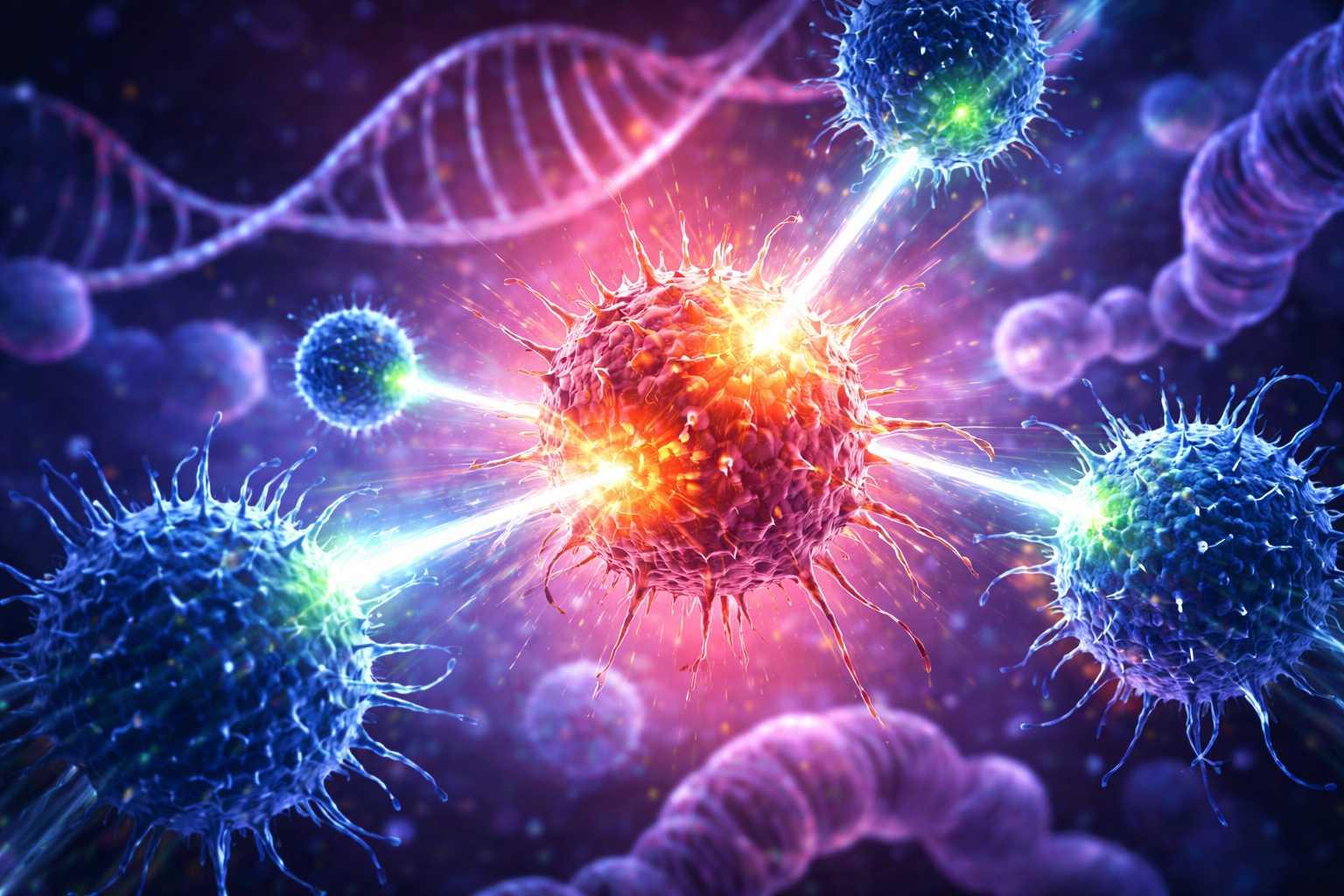
Recent breakthroughs in medical science are transforming how cancer is treated, with a new wave of immunotherapy offering results that many describe as “like science fiction.” Instead of directly attacking tumors with chemicals or radiation, scientists are now harnessing the body’s own immune system to identify and destroy cancer cells, leading to remarkable recoveries in some patients.
A Revolutionary Shift in Cancer Treatment
For decades, cancer treatment has relied heavily on chemotherapy, radiation, and surgery. While effective in many cases, these methods often come with severe side effects and are not always successful. Immunotherapy represents a major shift, as it works by strengthening the body’s natural defenses rather than targeting cancer directly. This approach enables the immune system to recognize cancer cells as harmful and eliminate them more efficiently, marking a significant evolution in medical science.
Turning the Body Into a Cancer Fighter
At the heart of this breakthrough is the ability to “train” immune cells to detect and attack tumors. Cancer often evades the immune system by disguising itself as normal tissue. New therapies remove these disguises or enhance immune responses, allowing the body to fight back effectively. Some treatments involve engineered immune cells, such as T-cells, that are modified to seek out and destroy cancer cells with precision.
Remarkable Cases and Promising Results
One of the most striking developments involves treatments where a single tumor is targeted, yet the effects spread throughout the body, eliminating cancer in multiple locations. Early clinical trials have shown dramatic results, with some patients experiencing complete remission. These outcomes have led researchers to describe the progress as extraordinary, suggesting that certain cancers once considered untreatable may soon become manageable—or even curable.
Personalized Medicine and Smarter Therapies
Another key aspect of this new wave is personalization. Scientists are increasingly tailoring treatments based on a patient’s unique cancer profile. This includes identifying specific markers or mutations within tumors and designing therapies that target them precisely. Such precision medicine ensures that treatments are more effective and reduces unnecessary side effects, bringing a more individualized approach to cancer care.
Challenges and Limitations Remain
Despite the optimism, immunotherapy is not a universal solution. Some cancers do not respond to these treatments, while others develop resistance over time. The interaction between cancer and the immune system is highly complex, and researchers are still working to fully understand it. Additionally, these therapies can be extremely expensive, raising concerns about accessibility and healthcare inequality.
The Role of Technology and Future Innovation
Advances in artificial intelligence and biotechnology are expected to accelerate progress in this field. AI can help researchers identify patterns, predict responses to treatments, and design more effective therapies. However, experts caution that while technology is a powerful tool, a deep understanding of human biology remains essential for meaningful breakthroughs.
A Glimpse Into the Future of Medicine
The rapid progress in immunotherapy is changing how scientists think about cancer. Instead of viewing it as a single disease, researchers now see it as a complex collection of conditions that require tailored solutions. As new treatments continue to emerge, the possibility of long-term remission—or even complete cures—appears increasingly realistic. What once seemed like science fiction is now becoming a tangible reality in modern medicine.
No comments yet.