The Power of Stillness
The Power of Stillness: Why Holding a Position Might Be the Ultimate Workout In a world obsessed with fast-paced workouts and high-intensity routines, a quieter fitness trend is g…
The Power of Stillness
The Power of Stillness: Why Holding a Position Might Be the Ultimate Workout
In a world obsessed with fast-paced workouts and high-intensity routines, a quieter fitness trend is gaining attention: isometric exercise. Unlike running, lifting weights, or cycling, this form of training involves holding a position still while your muscles remain engaged. Though it may appear simple, emerging research suggests it could be one of the most efficient ways to improve health—particularly when it comes to lowering blood pressure.
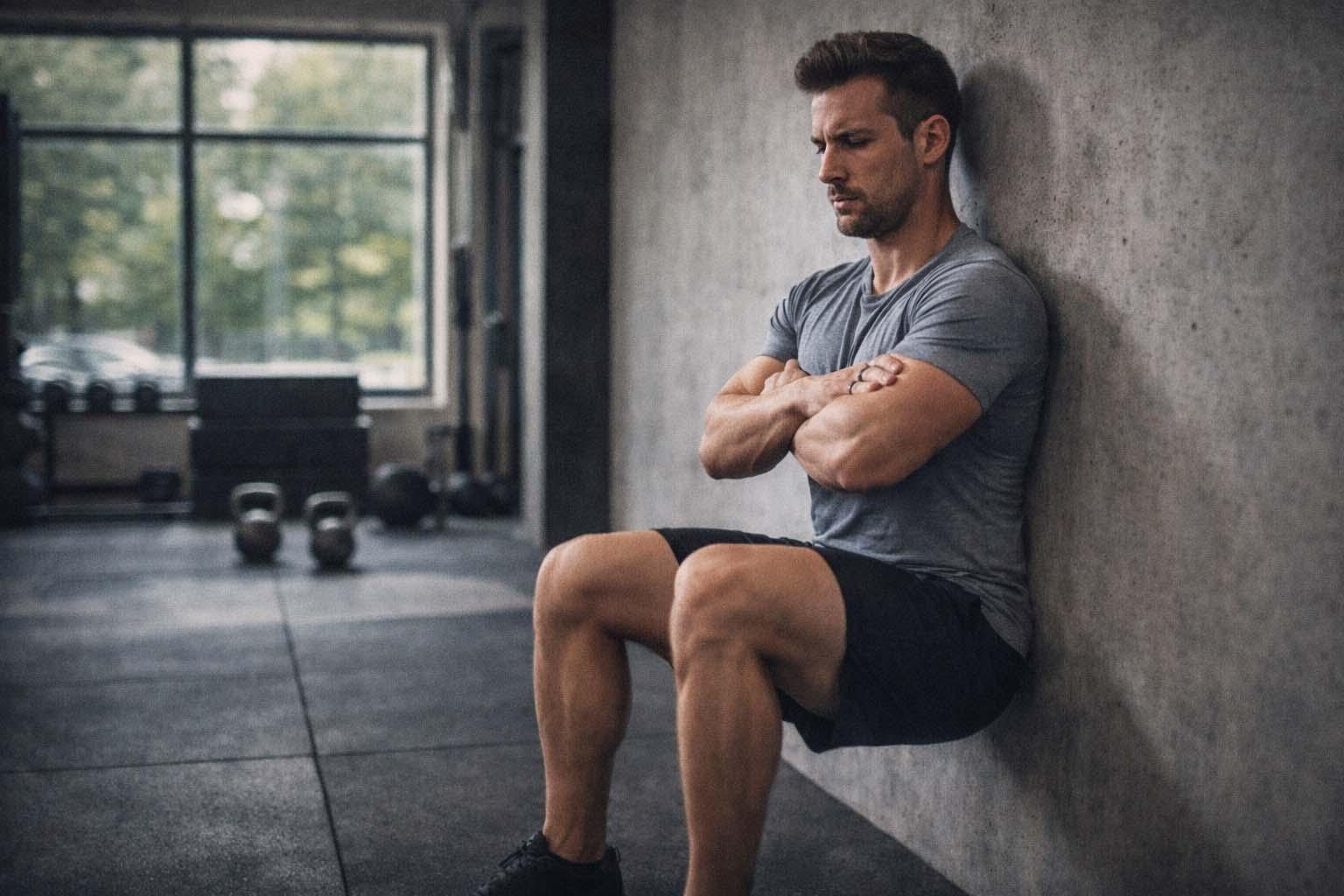
Isometric exercises work by contracting muscles without changing their length or moving the joints. Common examples include planks, wall sits, and static lunges. Instead of repetitive motion, the challenge lies in maintaining a fixed position for a period of time, forcing muscles to stay under constant tension.
Recent scientific findings have elevated the importance of this style of exercise. A large review of hundreds of studies involving nearly 16,000 participants found that isometric training was more effective at reducing blood pressure than other popular exercise types. These included aerobic workouts like jogging, resistance training such as weightlifting, and even high-intensity interval training (HIIT).
One standout movement in the research was the wall squat (or wall sit), which consistently showed strong results in lowering blood pressure. While all forms of exercise studied had positive effects, isometric routines appeared to deliver the greatest overall benefit.
So why does staying still have such a powerful impact? Experts believe the answer lies in how the body responds to sustained muscle tension. During an isometric hold, muscles tighten and temporarily restrict blood flow. When the position is released, blood rushes back into the area, improving circulation and helping blood vessels function more efficiently over time.
Another advantage of isometric exercise is its accessibility. It requires little to no equipment and can be done almost anywhere—at home, in the office, or even while travelling. This makes it especially appealing for beginners, older adults, or individuals recovering from injury. Because the movements are low-impact, they place less strain on joints compared to more dynamic exercises.
However, experts caution against viewing isometric exercise as a complete replacement for other forms of physical activity. While it is highly effective for specific outcomes like blood pressure control, it may not build muscle mass or improve cardiovascular endurance as efficiently as dynamic workouts. Many specialists recommend incorporating isometric holds into a broader fitness routine that includes aerobic and strength training.
There are also practical considerations. Maintaining proper breathing during isometric exercises is crucial, as people often unintentionally hold their breath, which can counteract some of the benefits. Additionally, holding a position for too long without proper form can lead to strain or injury.
Despite these caveats, the growing body of evidence highlights an important shift in how we think about fitness. Efficiency is no longer just about intensity or duration—it’s also about how the body responds to different types of stress. Isometric exercise, with its simplicity and effectiveness, offers a compelling alternative for those seeking measurable health improvements without complex routines.
Ultimately, the message is not to abandon traditional workouts, but to rethink balance. A combination of movement and stillness may provide the best results. Whether it’s adding a few planks to your daily routine or holding a squat against the wall, these small, static efforts could make a significant difference to long-term health.
In a fitness culture driven by motion, it turns out that sometimes the most powerful progress comes from standing perfectly still.
No comments yet.