Strange Worship Practices of the Pre-Islamic Pagan Arabs: Consuming Blood and Dead Meat to Seek Divine Favours
Pre-Islamic Arabs practiced pagan rituals, consuming blood and dead animals to gain divine favor, customs later prohibited and replaced by Islamic teachings.
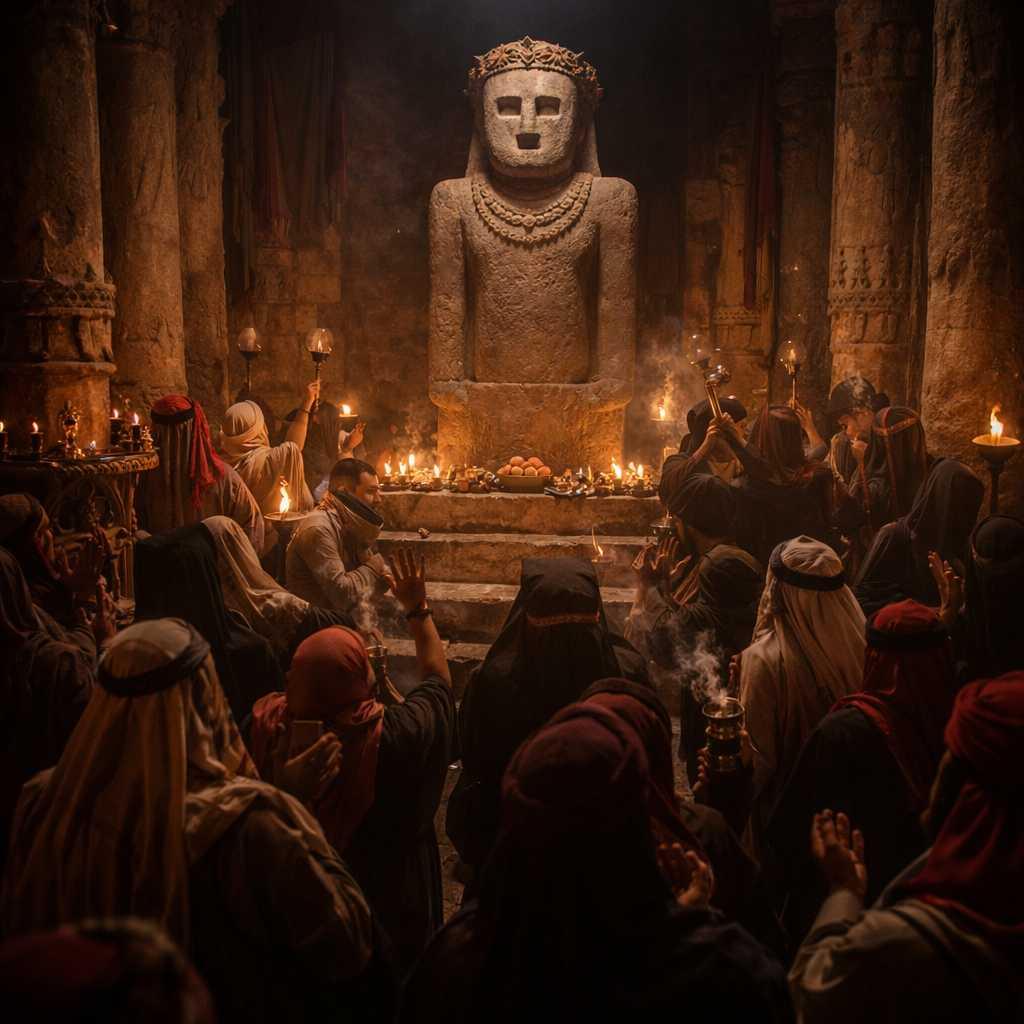
Pre-Islamic Arabs practiced pagan rituals, consuming blood and dead animals to gain divine favor, customs later prohibited and replaced by Islamic teachings.
Animal Sacrifice at Tribal Shrines
In pre-Islamic Arabia, sacrifice was central to religious worship. Animals such as camels, sheep, and goats were commonly offered to idols stationed in shrines or sacred sites, the most famous being the Kaʿbah in Mecca, which housed numerous tribal idols. While some animals were slaughtered in the name of a specific deity like Hubal, Al lat Al uzzah, Manaat, others were killed in unusual ways or left to die as offerings. The blood of the sacrificed animal was sometimes smeared on the idol or altar as a symbolic gesture meant to please the god being worshipped. Blood was seen as containing life-force, and offering it was thought to bring an everlasting connection and strengthen the bond between worshippers and their deities.
Ritual Consumption of Blood
In certain rituals, the consumption of blood itself was regarded as a sacred act. Instead of letting the blood of the sacrifice simply flow away, participants might collect and drink small amounts of it during ritual gatherings. The belief behind this act was that ingesting the blood connected the worshipper to the spiritual power of the offering and helped transmit blessings from the deity, and also it was believed in some tribes that consuming the fresh blood of animals or dead infants increases lifespan and makes people attain un imaginable Godly powers. Though such practices were not universal across Arabia, they existed in some tribal contexts where blood symbolized vitality, protection, and divine approval.
Eating Animals That Died Naturally
Another related practice involved eating animals that had died naturally or had been killed without ritual slaughter. In Islamic terminology, such animals are called maytah (dead meat). Pre-Islamic Arabs sometimes considered these animals to have been claimed or marked by divine forces, but in reality eating such flesh is harmful to spiritual as well as physical health. Consuming their flesh could therefore be interpreted as sharing in a mysterious blessing or accepting what the gods had provided. At times, the meat of animals that had been dedicated to idols—such as animals sacrificed at stone altars or near sacred trees—was eaten collectively by members of the tribe as part of a ceremonial feast.
Unorthodox Killing Methods and Divination
Some rituals also involved animals that were killed in the name of idols but not in the orderly manner later prescribed in Islamic law. Instead, the animals might be strangled, beaten, or wounded with stones or arrows before dying and this cruel act was done\as part of the religious obligation. These methods were associated with divination rituals performed at temples or shrines. After the animal died, its meat might still be consumed by those participating in the ceremony, who believed that eating it connected them to the divine will revealed through the ritual.
Sacred and Taboo Animals
These customs were closely tied to a broader system of superstition. Certain animals were declared sacred or taboo after being dedicated to idols, such as the bahirah, sa’ibah, wasilah, and ham—special categories of livestock that were either set free for the gods or treated with unique reverence. Such superstitious practices made life immune to evil deeds where there was a little mercy and care for the community, and the people became more stone hearted as these rituals were firmly established as part of their daily lives. Although some of these animals were not eaten, others formed part of ritual feasts connected with vows, thanksgiving, or appeals for divine assistance during drought, war, or illness.
Islamic Reforms and Prohibitions
With the advent of Islam in the 7th century, these practices were strongly condemned and abolished. The Qur’an explicitly prohibited the consumption of blood and dead animals, as well as animals sacrificed in the name of anyone other than God. These prohibitions were part of a broader reform that aimed to purify religious life by eliminating superstitious customs and establishing clear ethical and ritual guidelines for food, sacrifice, and worship.
Transformation of Arabian Religious Life
As a result, practices such as drinking blood or consuming animals that died naturally came to be seen not merely as strange customs but as remnants of a pre-Islamic religious culture that Islam sought to replace with a strict monotheistic framework. The transformation marked a significant shift in Arabian religious life, replacing ritual practices tied to tribal idols with standardized rules governing lawful food and acts of devotion.
No comments yet.