How the Changing Seasons Shape Our Sleep Patterns
Seasonal changes in daylight, temperature and biological rhythms subtly alter how long and how well we sleep, showing that human sleep patterns remain closely tied to nature.
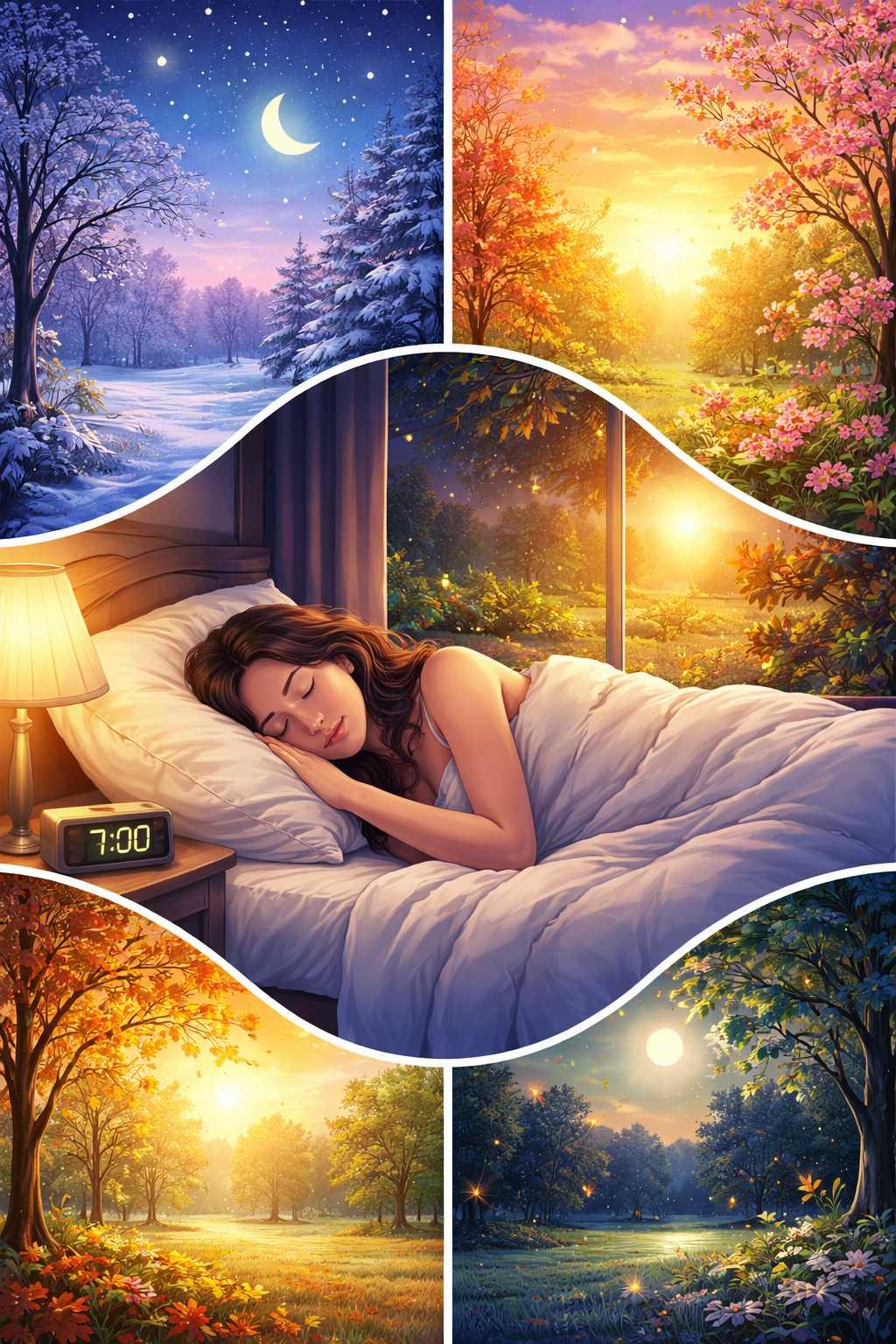
The cycle of the seasons influences far more than weather and daylight—it also affects how humans sleep. Scientific research suggests that changes in sunlight, temperature, and biological rhythms throughout the year subtly alter when we sleep, how long we sleep, and the quality of our rest. Even in modern societies with artificial lighting and climate-controlled homes, our bodies still respond to seasonal environmental cues. The cycle of the seasons influences far more than weather and daylight—it also affects how humans sleep. Scientific research suggests that changes in sunlight, temperature, and biological rhythms throughout the year subtly alter when we sleep, how long we sleep, and the quality of our rest. Even in modern societies with artificial lighting and climate-controlled homes, our bodies still respond to seasonal environmental cues.
The Human Body’s Seasonal Clock
Human sleep is regulated by the circadian rhythm, an internal 24-hour biological clock that responds strongly to environmental signals such as daylight and temperature. As the seasons shift, these signals also change, which can influence when people feel alert or sleepy. Longer daylight hours in summer and shorter days in winter can subtly adjust our sleep schedules, showing that humans remain biologically linked to natural seasonal cycles.
Why Winter Often Brings More Sleep
Several studies suggest that people tend to sleep slightly longer during winter months. Research tracking thousands of individuals has found that people may sleep about 15–20 minutes more in winter compared with summer. Scientists also observed longer REM sleep during winter, the stage associated with dreaming and emotional processing. These findings suggest the body may naturally require extra rest when days are darker and colder.
Summer Light and the Struggle to Fall Asleep
Summer’s extended daylight can make it harder to fall asleep at night. Extra evening sunlight delays the release of melatonin, the hormone that signals the body that it is time to sleep. As a result, people may feel more alert later in the evening. Warmer nighttime temperatures can also interfere with sleep, making it difficult to fall asleep or stay asleep throughout the night.
Temperature and the Quality of Sleep
Temperature is another important factor linking seasons and sleep quality. Cooler environments tend to support deeper and more restful sleep. Experts often suggest bedroom temperatures between about 60–70°F (15–21°C) for optimal rest. Because autumn and early winter often bring cooler nights, some people find that they sleep better during these seasons compared with hot summer nights.
Seasonal Transitions and Circadian Disruption
The transition between seasons can temporarily disrupt sleep patterns. Changes in daylight hours and shifts in daily routines may disturb circadian rhythms, causing difficulty falling asleep or waking up. These disturbances are usually short-term, but they highlight how sensitive the human body is to environmental changes throughout the year.
Mood, Energy and Seasonal Effects
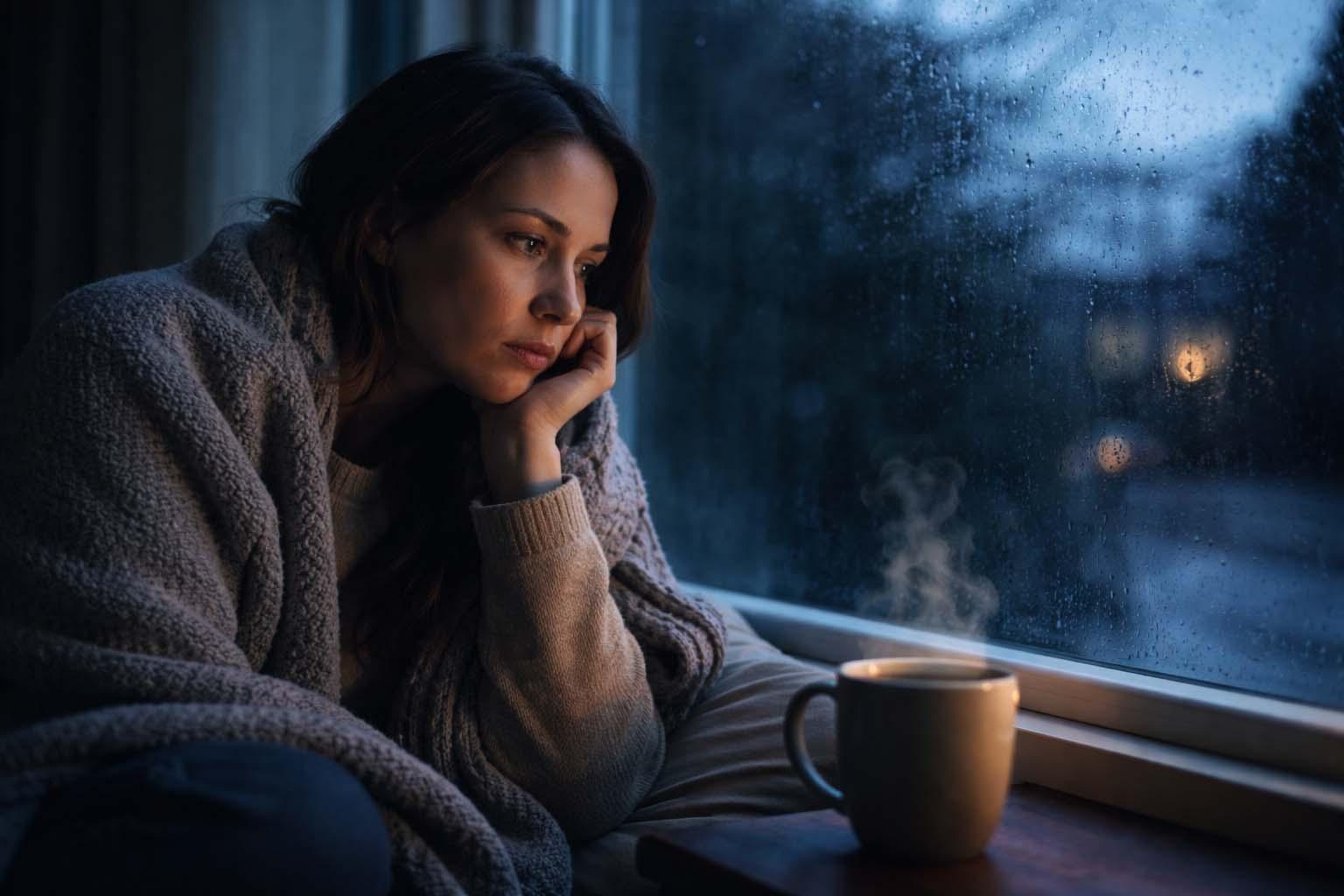
Seasonal changes can influence mood and energy levels, which in turn affect sleep. During darker months, some people experience seasonal affective disorder (SAD), a form of depression linked to reduced sunlight exposure. Lower daylight levels can increase melatonin production and reduce serotonin, making people feel more tired, sluggish, or sleepy during winter.
Adapting Sleep Habits Throughout the Year
Experts suggest adjusting sleep habits to match seasonal conditions. Getting morning sunlight exposure helps regulate circadian rhythms, while maintaining a consistent bedtime supports stable sleep patterns. During summer, managing light and heat—such as using blackout curtains or keeping the bedroom cool—can improve sleep quality. By aligning habits with natural seasonal changes, people can maintain healthier and more restful sleep year-round.
The Human Body’s Seasonal Clock
Human sleep is regulated by the circadian rhythm, an internal 24-hour biological clock that responds strongly to environmental signals such as daylight and temperature. As the seasons shift, these signals also change, which can influence when people feel alert or sleepy. Longer daylight hours in summer and shorter days in winter can subtly adjust our sleep schedules, showing that humans remain biologically linked to natural seasonal cycles.
Why Winter Often Brings More Sleep
Several studies suggest that people tend to sleep slightly longer during winter months. Research tracking thousands of individuals has found that people may sleep about 15–20 minutes more in winter compared with summer. Scientists also observed longer REM sleep during winter, the stage associated with dreaming and emotional processing. These findings suggest the body may naturally require extra rest when days are darker and colder.
Summer Light and the Struggle to Fall Asleep
Summer’s extended daylight can make it harder to fall asleep at night. Extra evening sunlight delays the release of melatonin, the hormone that signals the body that it is time to sleep. As a result, people may feel more alert later in the evening. Warmer nighttime temperatures can also interfere with sleep, making it difficult to fall asleep or stay asleep throughout the night.
Temperature and the Quality of Sleep
Temperature is another important factor linking seasons and sleep quality. Cooler environments tend to support deeper and more restful sleep. Experts often suggest bedroom temperatures between about 60–70°F (15–21°C) for optimal rest. Because autumn and early winter often bring cooler nights, some people find that they sleep better during these seasons compared with hot summer nights. The cycle of the seasons influences far more than weather and daylight—it also affects how humans sleep. Scientific research suggests that changes in sunlight, temperature, and biological rhythms throughout the year subtly alter when we sleep, how long we sleep, and the quality of our rest. Even in modern societies with artificial lighting and climate-controlled homes, our bodies still respond to seasonal environmental cues.
The Human Body’s Seasonal Clock
Human sleep is regulated by the circadian rhythm, an internal 24-hour biological clock that responds strongly to environmental signals such as daylight and temperature. As the seasons shift, these signals also change, which can influence when people feel alert or sleepy. Longer daylight hours in summer and shorter days in winter can subtly adjust our sleep schedules, showing that humans remain biologically linked to natural seasonal cycles.
Why Winter Often Brings More Sleep
Several studies suggest that people tend to sleep slightly longer during winter months. Research tracking thousands of individuals has found that people may sleep about 15–20 minutes more in winter compared with summer. Scientists also observed longer REM sleep during winter, the stage associated with dreaming and emotional processing. These findings suggest the body may naturally require extra rest when days are darker and colder.
Summer Light and the Struggle to Fall Asleep
Summer’s extended daylight can make it harder to fall asleep at night. Extra evening sunlight delays the release of melatonin, the hormone that signals the body that it is time to sleep. As a result, people may feel more alert later in the evening. Warmer nighttime temperatures can also interfere with sleep, making it difficult to fall asleep or stay asleep throughout the night.
Temperature and the Quality of Sleep
Temperature is another important factor linking seasons and sleep quality. Cooler environments tend to support deeper and more restful sleep. Experts often suggest bedroom temperatures between about 60–70°F (15–21°C) for optimal rest. Because autumn and early winter often bring cooler nights, some people find that they sleep better during these seasons compared with hot summer nights.
Seasonal Transitions and Circadian Disruption
The transition between seasons can temporarily disrupt sleep patterns. Changes in daylight hours and shifts in daily routines may disturb circadian rhythms, causing difficulty falling asleep or waking up. These disturbances are usually short-term, but they highlight how sensitive the human body is to environmental changes throughout the year.
Mood, Energy and Seasonal Effects
Seasonal changes can influence mood and energy levels, which in turn affect sleep. During darker months, some people experience seasonal affective disorder (SAD), a form of depression linked to reduced sunlight exposure. Lower daylight levels can increase melatonin production and reduce serotonin, making people feel more tired, sluggish, or sleepy during winter.
Adapting Sleep Habits Throughout the Year
Experts suggest adjusting sleep habits to match seasonal conditions. Getting morning sunlight exposure helps regulate circadian rhythms, while maintaining a consistent bedtime supports stable sleep patterns. During summer, managing light and heat—such as using blackout curtains or keeping the bedroom cool—can improve sleep quality. By aligning habits with natural seasonal changes, people can maintain healthier and more restful sleep year-round.
Seasonal Transitions and Circadian Disruption
The transition between seasons can temporarily disrupt sleep patterns. Changes in daylight hours and shifts in daily routines may disturb circadian rhythms, causing difficulty falling asleep or waking up. These disturbances are usually short-term, but they highlight how sensitive the human body is to environmental changes throughout the year.
Mood, Energy and Seasonal Effects
Seasonal changes can influence mood and energy levels, which in turn affect sleep. During darker months, some people experience seasonal affective disorder (SAD), a form of depression linked to reduced sunlight exposure. Lower daylight levels can increase melatonin production and reduce serotonin, making people feel more tired, sluggish, or sleepy during winter.
Adapting Sleep Habits Throughout the Year
Experts suggest adjusting sleep habits to match seasonal conditions. Getting morning sunlight exposure helps regulate circadian rhythms, while maintaining a consistent bedtime supports stable sleep patterns. During summer, managing light and heat—such as using blackout curtains or keeping the bedroom cool—can improve sleep quality. By aligning habits with natural seasonal changes, people can maintain healthier and more restful sleep year-round.
No comments yet.