How Long, Dark Winters Influence Your Brain
How Long, Dark Winters Influence Your Brain, Mood and Drive January and the depths of winter often bring more than chilly weather — for many people, the shortened days and prolong…
How Long, Dark Winters Influence Your Brain
How Long, Dark Winters Influence Your Brain, Mood and Drive
January and the depths of winter often bring more than chilly weather — for many people, the shortened days and prolonged darkness have measurable effects on mood, cognitive function and even libido. This isn’t just a cultural myth: scientists have identified a recognised psychological condition, Seasonal Affective Disorder (SAD), that explains why so many struggle when winter truly sets in.
At its core, SAD is a form of depression that recurs each year in autumn and winter before improving in the spring and summer months. It is more than simply feeling “down” because the days are gloomy — it’s a medical condition with identifiable symptoms that go beyond ordinary winter blues.
Why Darkness Affects Us
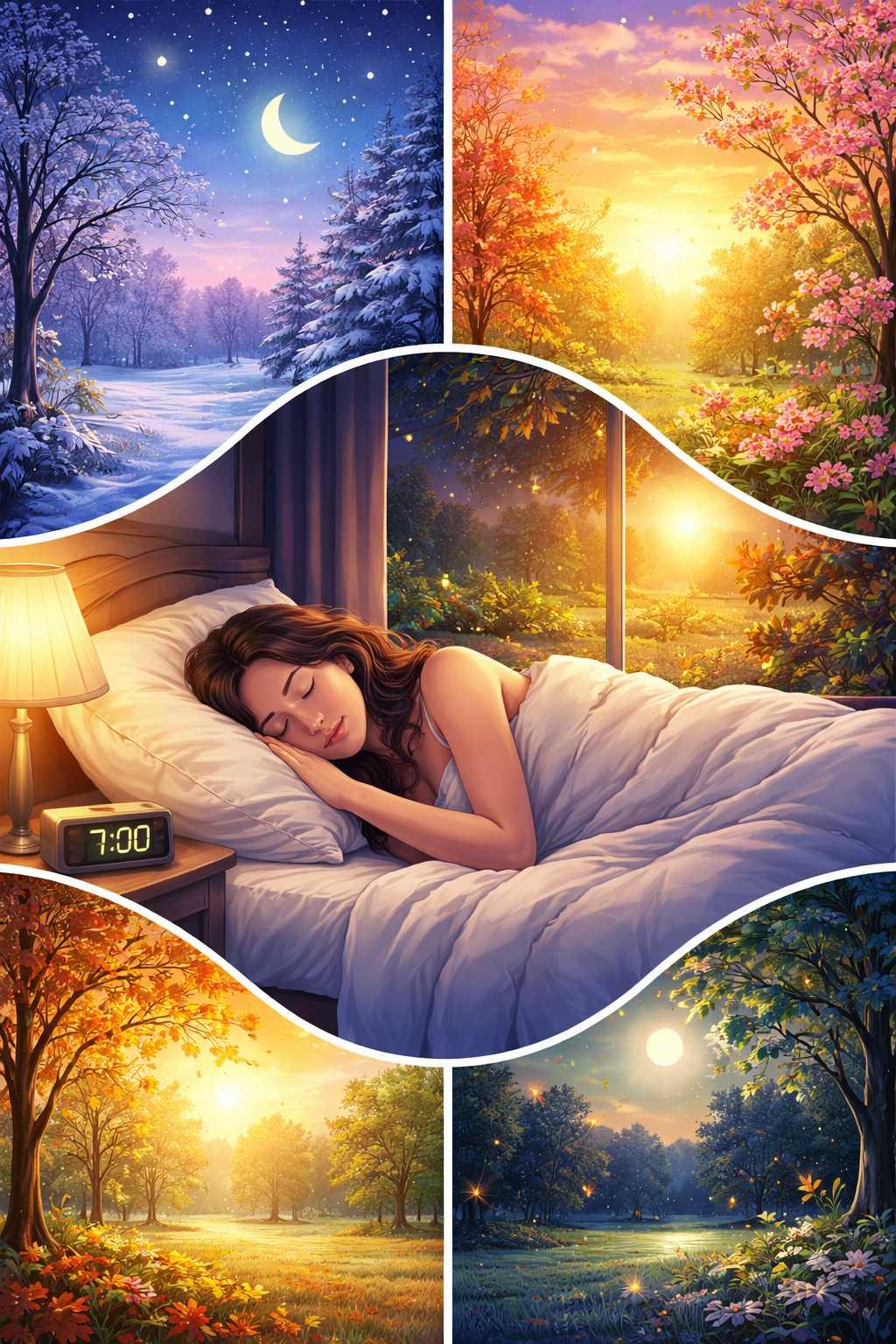
The primary trigger for SAD is believed to be reduced exposure to daylight. When the sun sets early and daylight hours shrink, our internal biological clock — known as the circadian rhythm — can fall out of sync with the environment. This rhythm helps regulate sleep, mood, appetite and many hormonal functions. With too little natural light, these systems can become imbalanced, leading to the emotional and physical changes associated with SAD.
One important hormone affected by the lack of sunshine is serotonin, often referred to as the “feel-good” chemical in the brain. Sunlight helps stimulate serotonin production — without it, levels may drop, which is associated with feelings of sadness and lethargy. Another hormone, melatonin, is produced more during darkness and can increase feelings of tiredness and decrease motivation when it remains high.
Changes in Mood and Energy
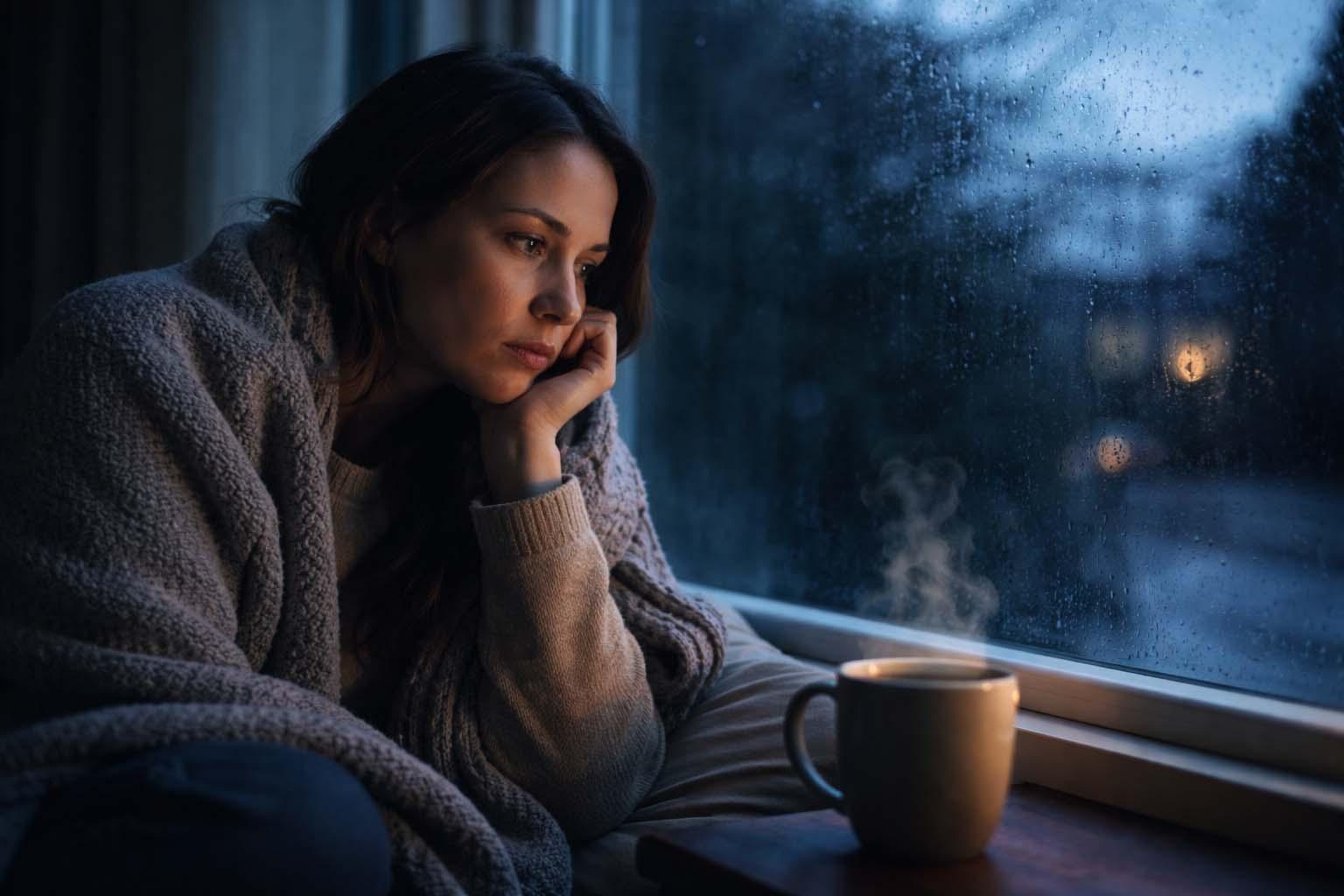
Many people report a noticeable dip in mood during the winter, with symptoms ranging from mild blues to clinically significant depression. Those experiencing SAD typically feel sad or hopeless, lack energy, lose interest in activities they usually enjoy, and may even sleep and eat more than usual. These changes can have real consequences for daily life — impacting work, relationships and overall wellbeing.
Even individuals who do not meet the full clinical criteria for SAD can still experience what’s often described as the “winter blues”: lower motivation, irritability, and general malaise that progressively worsens through January and February before easing in spring.
Effects on Cognitive Function
Interestingly, the winter months don’t just affect mood — they may also subtly influence cognitive processes. Some research suggests that changes in daylight could alter alertness, attention and performance on tasks requiring sustained concentration. Though seasonal shifts in cognition are less studied than mood effects, they’re believed to be connected to the same biological mechanisms behind SAD.
This may help explain why some people feel “foggy-headed” or less mentally sharp during the deepest part of winter — a state that lifts again as daylight increases.
Winter Libido and Behaviour
Beyond mood and cognition, interest in intimacy and sexual behaviour can also shift with the seasons. Some studies have shown that sexual desire and activity may increase in winter months — a counterintuitive effect that researchers think could be tied to changing hormone levels, cultural factors (such as spending more time indoors with partners), or even evolutionary adaptations.
It’s also worth noting that cultural constructs like “Blue Monday” — a date in January once promoted as the “most depressing day of the year” — reflect widespread perceptions of gloom in mid-winter, even if the exact concept is not scientifically validated.
Coping with the Winter Impact
Although the seasonal shift in mood and behaviour can feel overwhelming, there are practical strategies to help manage these changes:
Maximise sunlight exposure: Even on overcast days, getting outside for walks or sitting near windows can boost your light intake and help reset your internal clock.
Bright light therapy: SAD light boxes that mimic natural sunlight are widely used and can significantly improve symptoms when used daily, particularly in the morning.
Routine and sleep: Maintaining consistent sleep-wake times and avoiding late-night artificial light helps keep circadian rhythms stable.
Healthy habits: Regular exercise, a balanced diet, social contact and stress-reducing activities support overall mood and wellbeing through darker months.
For many, combining these lifestyle adjustments with professional support — such as counselling or treatment from a healthcare provider — offers the most effective approach to dealing with SAD. Recognising the signs early and taking action can make a meaningful difference, turning the long, dark days of January and winter into a more manageable, even enriching, period of the year.
No comments yet.